
- Music
- Roshan
- Lyrics
- Sahir Ludhianvi
- Year
- 1960
- Review by
- Medhanshu Sharma
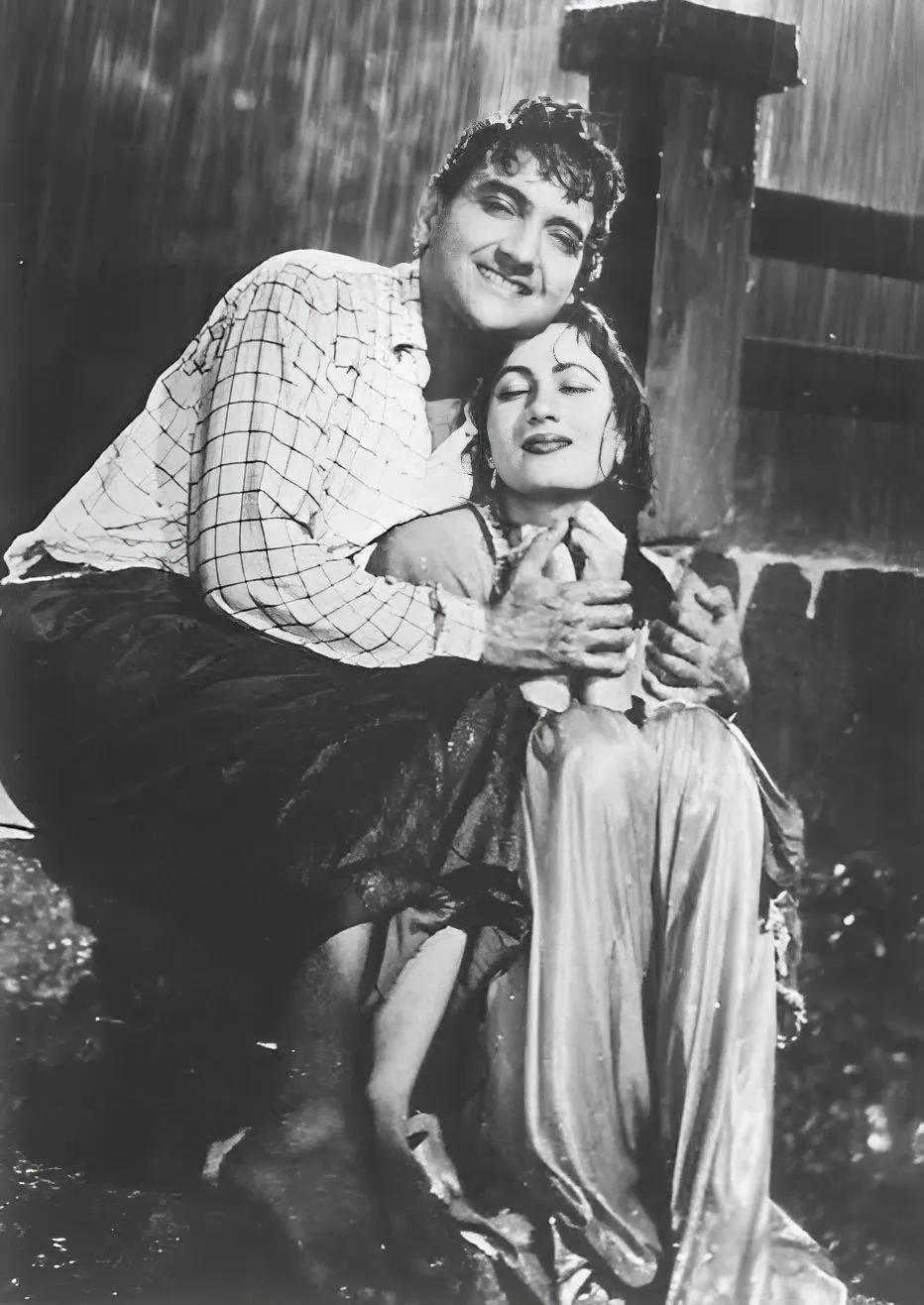
Few songs in Hindi cinema have celebrated Ishq with the grandeur, conviction, and spiritual depth of “Yeh Ishq Ishq Hai.”
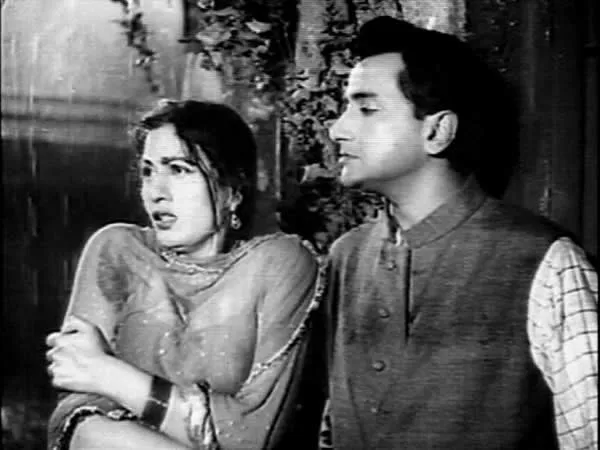
More than six decades after its release in Barsaat Ki Raat (1960), this monumental qawwali continues to stand as one of the defining achievements of Indian film music. Along with its companion piece, “Na To Caravan Ki Talash Hai,” it forms one continuous musical and philosophical journey, unfolding over nearly ten minutes of poetry, devotion, and breathtaking vocal performance.
At its heart, the composition is a celebration of love in its purest and highest form. Here, love is not confined to romance alone. It becomes faith, surrender, longing, sacrifice, and ultimately, the force that unites humanity with the Divine. Sahir Ludhianvi's words move effortlessly between Sufi mysticism and the Bhakti tradition, invoking Krishna and Radha, Meera Bai, Mansur al-Hallaj, Moses, Jesus, and the teachings of Islam not to compare religions, but to reveal a timeless truth: that genuine love transcends every boundary created by society.
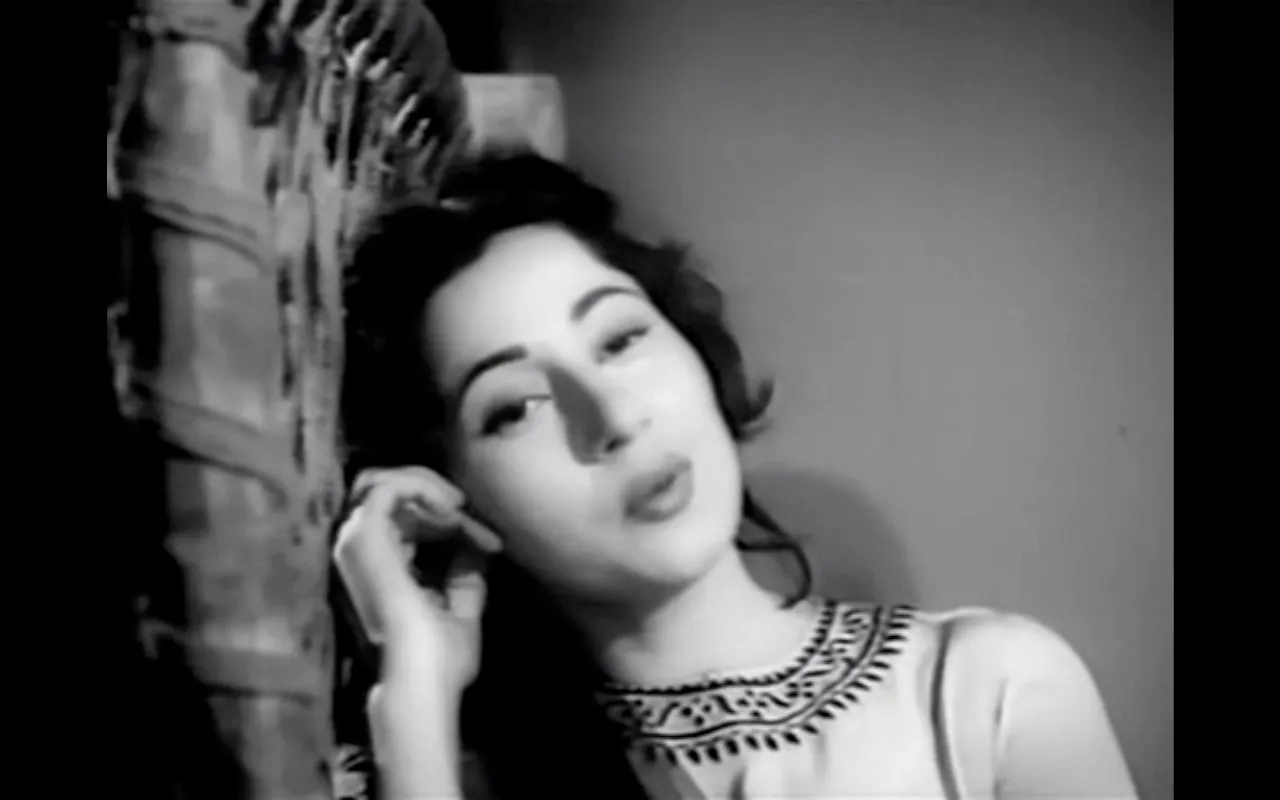
Roshan
Roshan's composition is equally extraordinary. Rather than treating the qawwali as a conventional film song, he allows it to unfold naturally, giving each verse room to breathe while building an emotional and spiritual crescendo. Classical melodies, intricate harmonium passages, powerful rhythmic cycles, and choral responses create an atmosphere that is both intimate and majestic. It remains one of the finest examples of qawwali ever composed for Indian cinema.
Four voices
The vocal ensemble is nothing short of remarkable. Mohammed Rafi brings warmth, passion, and emotional intensity; Manna Dey lends classical authority and impeccable control; Asha Bhosle adds grace and expressive brilliance; Sudha Malhotra contributes elegance and devotional depth. Together, their voices do not compete but they converse, challenge, and complement one another, just as singers do in a traditional qawwali mehfil. The result is a performance that feels spontaneous while remaining meticulously crafted.
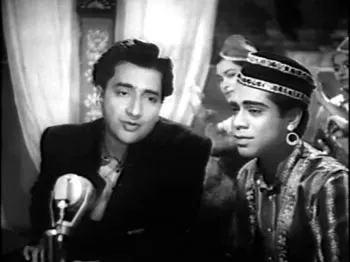
 Sahir Ludhianvi
A cultural landmark
Released in 1960, Barsaat Ki Raat would become one of Roshan's defining works, with its soundtrack ranking among the year's most celebrated musical achievements. Even today, “Yeh Ishq Ishq Hai” is regarded not merely as a film song, but as a cultural landmark that demonstrated how poetry, classical music, and cinema could come together to create something timeless.
This stereo remaster seeks to present that timeless masterpiece with renewed clarity while preserving its original character. Every voice, every response from the chorus, every harmonium phrase, and every rhythmic flourish has been carefully restored so that a new generation of listeners can experience the grandeur, emotion, and spiritual richness of this unforgettable qawwali.
Verse by verse
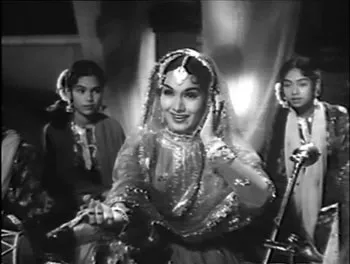

This qawwali is remarkable because it seamlessly blends Sufi mysticism, Urdu poetry, Islamic spirituality, and Hindu Bhakti traditions, presenting love as a universal path that transcends religious boundaries. It is one of the finest examples of India's shared spiritual and musical heritage.
Comments
Sign in with Google or email to join in. You can edit a comment for 15 minutes after posting.