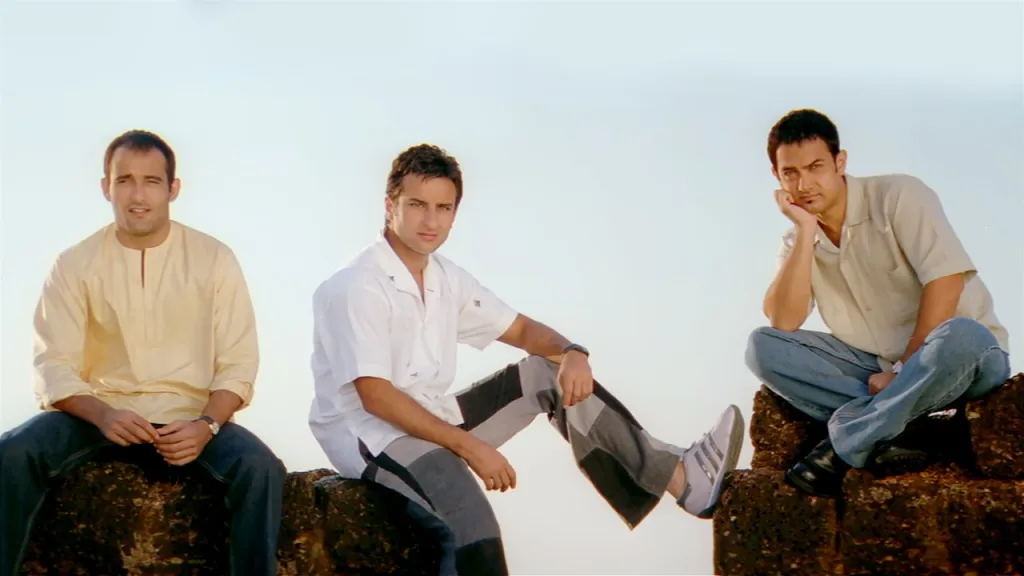
Some soundtracks become successful. Others quietly redefine what Bollywood music sounds like. Dil Chahta Hai (2001) belongs to the second category.
It's almost difficult to imagine now, but before this album, Shankar-Ehsaan-Loy were respected composers best known for advertising jingles and a handful of film scores like Mission Kashmir. They certainly weren't the first names producers rushed to. Then Dil Chahta Hai happened, and overnight, everything changed.
The album didn't just give Farhan Akhtar's directorial debut its identity. It gave Bollywood a completely new musical vocabulary. Urban. Relaxed. Stylish. Western without feeling alien. Indian without sounding conventional. Suddenly, Shankar-Ehsaan-Loy became the soundtrack of a new generation.
That success also sparked one of Bollywood's most iconic creative partnerships with Excel Entertainment, leading to classics like Lakshya, Don, Rock On!! and Zindagi Na Milegi Dobara. It eventually paved the way for masterpieces like Kal Ho Naa Ho, Taare Zameen Par and Bunty Aur Babli. Looking back, Dil Chahta Hai wasn't just an album. It was the launchpad.
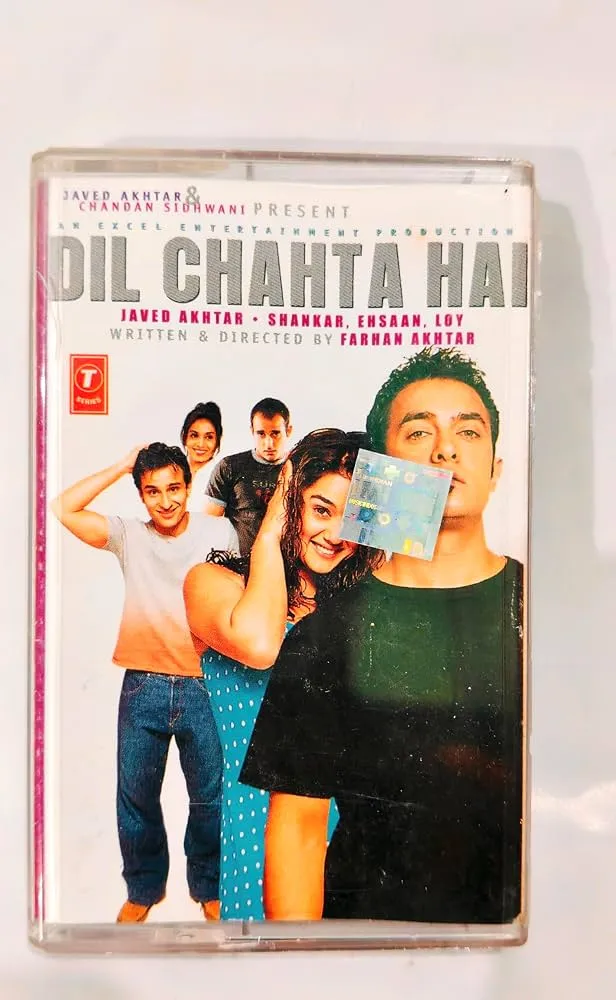
- 01 Dil Chahta Hai Shankar Mahadevan
- 02 Jaane Kyon Udit Narayan, Alka Yagnik
- 03 Woh Ladki Hai Kahan Shaan, Kavita Subramaniam
- 04 Dil Chahta Hai (Reprise) Shankar Mahadevan
- 05 Koi Kahe Kehta Rahe Shankar Mahadevan, Shaan, K.K.
- 06 Akash's Love Theme Mike Harvey
- 07 Tanhayee Sonu Nigam
- 08 Kaisi Hai Yeh Rut Srinivas
Dil Chahta Hai
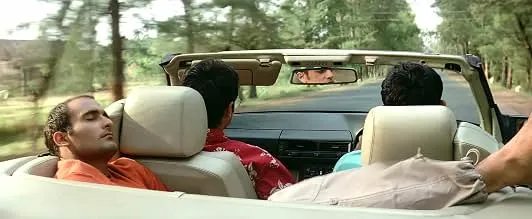
The title track still sounds remarkably fresh. From the opening acoustic guitar to Loy Mendonsa's warm keyboard textures and Ehsaan Noorani's tasteful guitar work, everything feels effortless. Shankar Mahadevan's energetic vocals perfectly capture the optimism and restlessness of youth. Even after twenty-five years, it refuses to sound dated.
One fascinating story behind the song makes it even more impressive. Shankar Mahadevan later revealed that what we hear on the album is actually the very first rough mix. Sound engineer Vijay Benegal created around 21 different mixes, but the original scratch version simply had a magic none of the polished versions could recreate.
Mahadevan explained that the team deliberately resisted the temptation to overcrowd the arrangement. Instead of stuffing every frequency with instruments, they trusted the groove, bassline and melody to do the work. That confidence is exactly why the song still breathes today. Sometimes less really is more.
Jaane Kyon
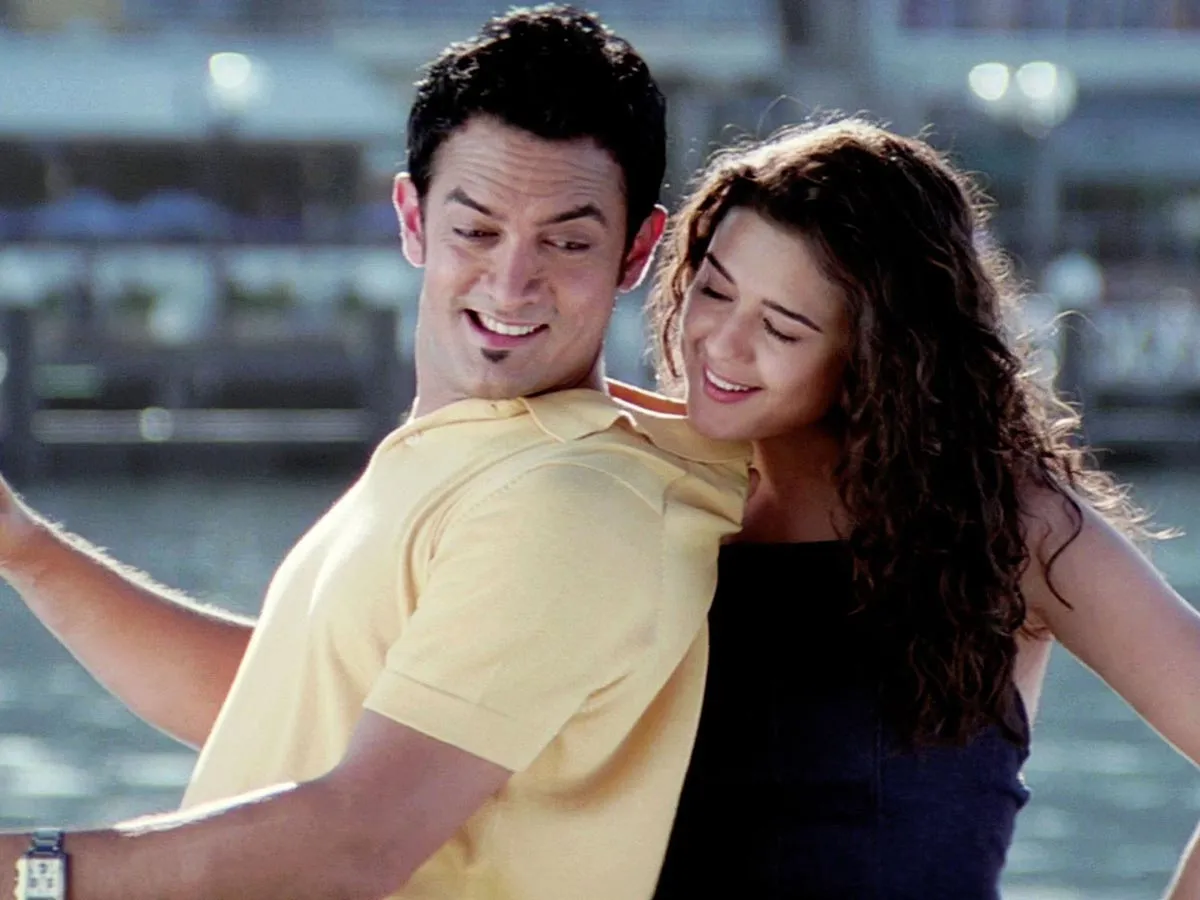
Jaane Kyon announces itself with one of the most unexpected openings in Hindi film music: a didgeridoo. Nobody really saw that coming in 2001. That deep Australian drone quickly gives way to tight guitar riffs, an irresistible bassline and crisp drumming before Udit Narayan casually asks:
"Jaane kyon log pyaar karte hain..."
From that very moment, the song feels like a hit.
The composition constantly evolves without ever losing its groove. As the arrangement opens up, Alka Yagnik enters with remarkable warmth, explaining love not as fantasy but as something that fills life with colour. Then, almost ironically, she circles back to the same question: "Jaane kyon log pyaar karte hain." It's a clever lyrical device: the song answers the question while pretending it never did.
Woh Ladki Hai Kahan
Woh Ladki Hai Kahan initially feels like a forgotten gem from the late '80s or early '90s, but recorded with modern production values. Then, just when you think you've understood it, the song changes direction entirely.
It almost reminds me of the playful spirit found years later in A.R. Rahman's Matargashti. The orchestration is wonderfully imaginative: light flutes, hand claps acting as percussion, lively strings and one of the most infectious basslines on the album. It's playful, theatrical and completely original. Another reminder that Shankar-Ehsaan-Loy weren't interested in following trends. They were creating them.
Kaisi Hai Ye Rut
Kaisi Hai Ye Rut opens with a beautiful flute passage before quietly introducing layer upon layer of delicate guitars. None of them demand attention. They simply shimmer underneath the melody, creating an atmosphere more than a rhythm.
Srinivas handles the song beautifully, and the production leans heavily into the low-end. Personally, I do feel the bass could have been dialled back slightly to allow some of the gorgeous instrumentation more room to breathe, but it's still an excellent recording.
Listening closely, I couldn't help noticing something interesting. The chorus rhythm bears a resemblance to R.D. Burman's "Logon Na Maro Ise" from Anamika. Whether intentional or simply subconscious inspiration is impossible to know, but the similarity is certainly intriguing.
The dreamy guitars, electronic textures, synthesized drums and subtle ambience together create one of the album's most atmospheric pieces.
Koi Kahe Kehta Rahe
If there's one track built purely to get people moving, it's Koi Kahe Kehta Rahe.
KK, Shankar Mahadevan and Shaan sound like they're having as much fun as the listeners. The song carries genuine rock-band energy rather than programmed dance music, and that's precisely what separates it from many dance tracks of its era.
How it was recorded
One reason this soundtrack still sounds alive today lies in how it was recorded.
Instead of depending entirely on sequencers and drum machines, Shankar-Ehsaan-Loy built many arrangements around live performances. Ehsaan Noorani's Fender Stratocaster and Gibson Les Paul guitars provide everything from sparkling rhythm work to crunchy rock solos, while Loy Mendonsa's Korg Trinity, Triton and Roland JV-2080 synthesizers supplied the lush pads and electronic textures without overwhelming the acoustic elements.
The title track's acoustic guitar carries the rhythm naturally. Jaane Kyon introduces the didgeridoo as a genuinely musical hook rather than a gimmick. Woh Ladki Hai Kahan colours its retro atmosphere with Celtic-inspired whistle textures, while the keyboards deliver the sweeping pads and electronic basslines that became a signature SEL sound.
The entire soundtrack was recorded at The Fourth Dimension Studio, engineered and mixed by Vijay Benegal, before being mastered by Bunt Stafford Clark at Townhouse Studios, London. That production chain gave the album remarkable clarity and dynamic range, qualities that remain evident even today.
- Recorded
- The Fourth Dimension Studio
- Engineered & mixed
- Vijay Benegal
- Mastered
- Bunt Stafford Clark, Townhouse Studios, London
Final Thoughts
There are albums that define a film, and there are albums that define an era. Dil Chahta Hai managed to do both.
It introduced a generation to a more contemporary Bollywood sound without abandoning melody. It proved that restraint could be more powerful than excess, that live musicians still mattered, and that modern production didn't need to sacrifice emotional depth.
Twenty-five years later, the soundtrack still feels youthful, not because it's nostalgic, but because it was genuinely ahead of its time.
Sign in with Google or email to join in. You can edit a comment for 15 minutes after posting.