← Aaj Kal Ke Gaane#oldies#soundtrack Music review
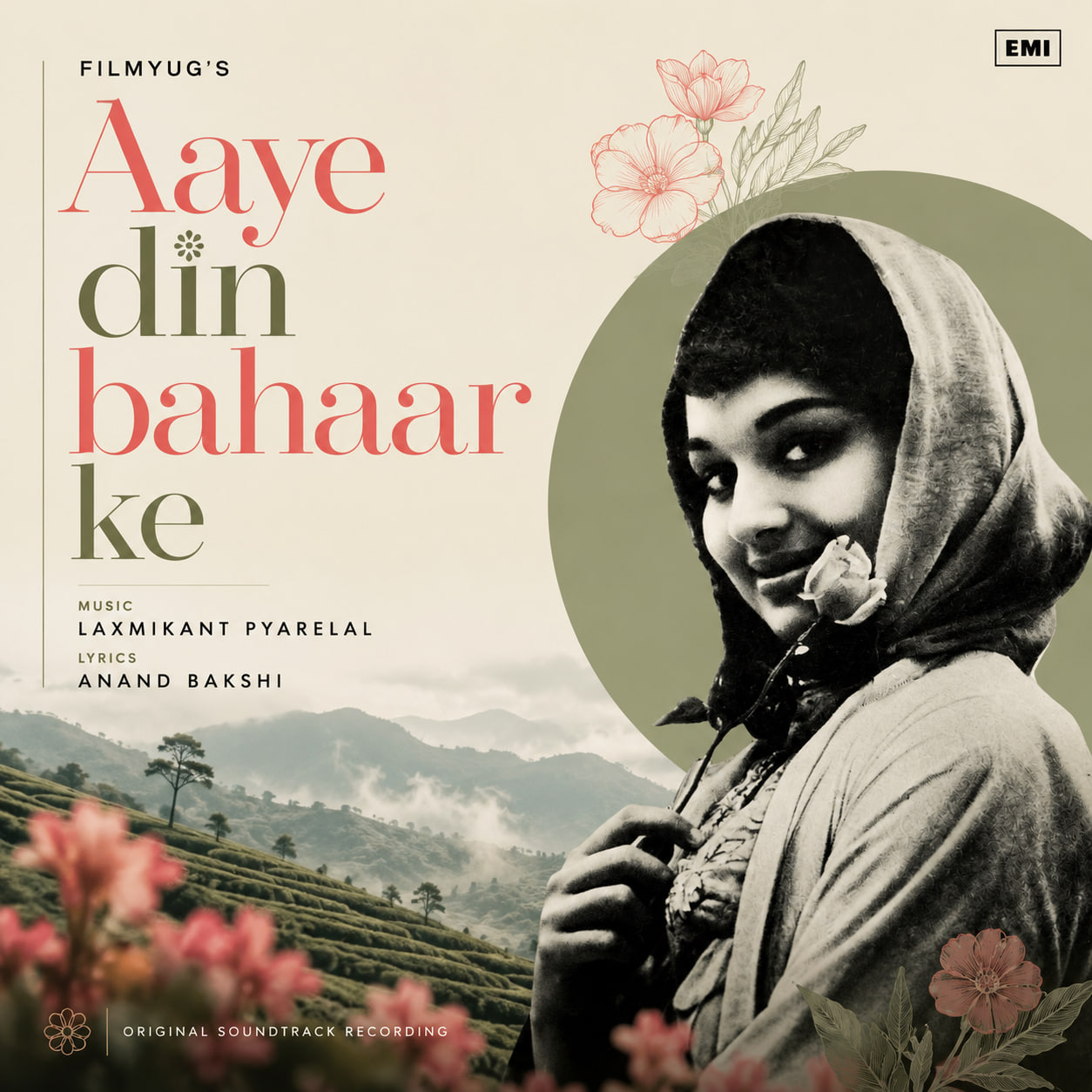
60 Years of

Aaye din
bahaar ke

Music  Laxmikant–Pyarelal
Lyrics  Anand Bakshi
Year  1966
Review by Medhanshu Sharma
Aaye Din Bahaar Ke original soundtrack recording sleeve

At a time when Hindi film music was overflowing with memorable melodies, Laxmikant–Pyarelal managed to craft an album that balances romance, heartbreak, classical elegance, and dramatic intensity without ever feeling overworked.

The score is built on strong melodic writing rather than ornamentation. Anand Bakshi's lyrics remain conversational yet emotionally layered, allowing every song to serve the story instead of interrupting it. His words rarely chase poetic complexity for its own sake; instead, they speak directly to human longing, disappointment, and hope.
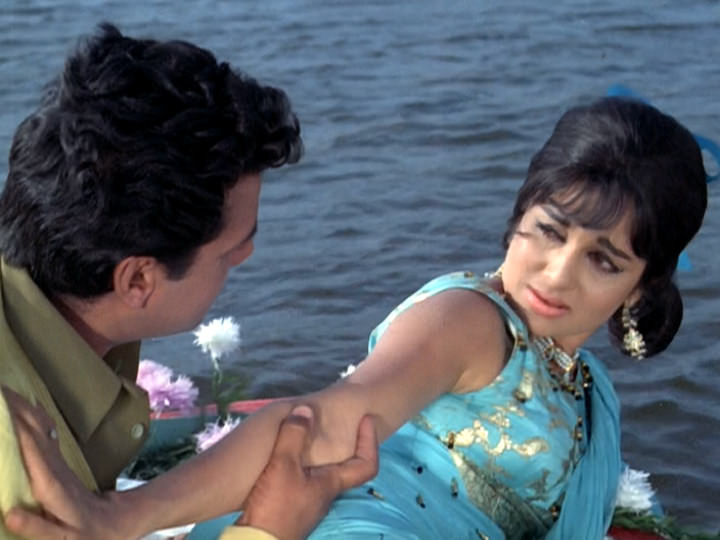
Boat sequence from Aaye Din Bahaar Ke
Asha Parekh and Dharmendra, from the film
Raag Behag

Suno Sajna

Lata Mangeshkar

The album reaches one of its highest points with "Suno Sajna." Sung by Lata Mangeshkar with remarkable poise, the composition unfolds gracefully in Raag Behag, carrying an effortless blend of classical discipline and cinematic warmth.

A fascinating detail behind the song's creation is that its iconic flute phrase was born when Pandit Hariprasad Chaurasia was casually improvising during a studio session. Laxmikant immediately recognized its beauty and encouraged him to develop it further, giving birth to one of Hindi cinema's most cherished introductions. The result feels spontaneous, yet timeless
The other extreme

Mere Dushman

Mohammed Rafi

If Suno Sajna represents serenity, "Mere Dushman" stands at the opposite emotional extreme. Few songs in Mohammed Rafi's vast catalogue channel wounded pride with such restraint. Rather than shouting in anger, Rafi lets every line simmer with controlled anguish.

Anand Bakshi's lyrics transform betrayal into quiet defiance, while Laxmikant–Pyarelal surround the voice with sweeping string passages that continually raise the emotional stakes without overwhelming it. The understated bongo rhythm provides an unexpectedly effective pulse beneath the orchestral grandeur, creating a tension that never lets the listener settle.

On screen, Dharmendra's restrained performance complements the song perfectly, making the nightclub sequence one of the film's defining moments.

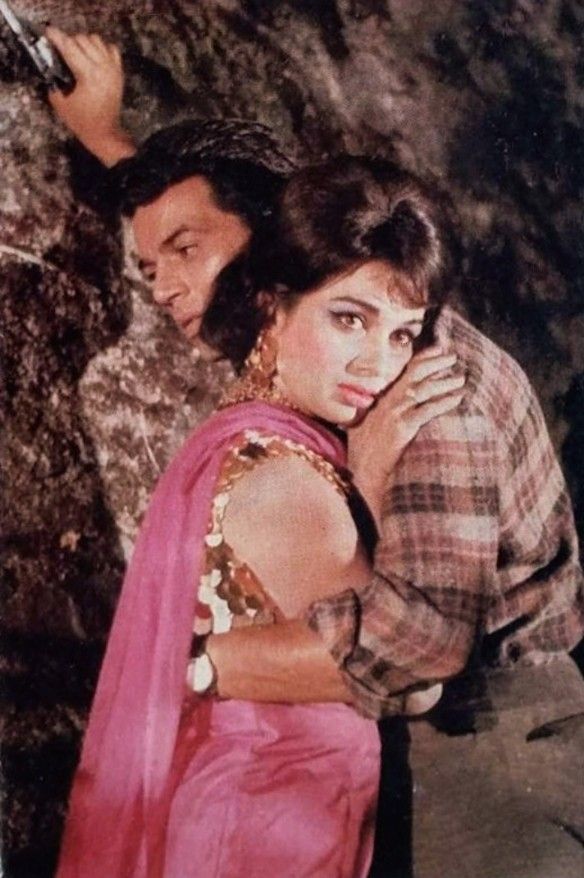
Still from Aaye Din Bahaar Ke
Every instrument has a purpose — support, never dominate.

Playful romance, and lightness

Elsewhere, the soundtrack offers moments of playful romance and lightness, with Lata Mangeshkar, Mohammed Rafi, and Asha Bhosle each bringing their own distinct personality to the compositions. The arrangements never rely on excess; instead, every instrument has a purpose, from expressive flute passages to rich violins and measured percussion that support rather than dominate the melody.
Lata Mangeshkar Mohammed Rafi Asha Bhosle
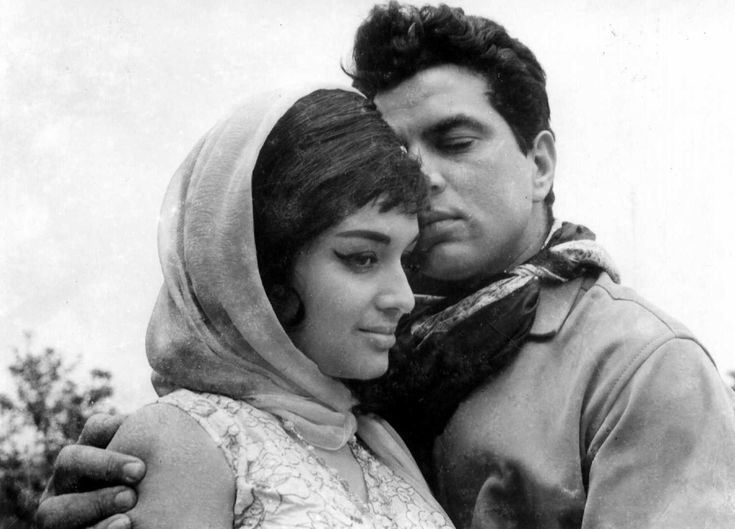
Asha Parekh and Dharmendra in Aaye Din Bahaar Ke
Melody was king

Tracklist

EMI · Original soundtrack recording
 
Title
Playback
01
Ai Kaash Kisi Diwane Ko
Lata Mangeshkar & Asha Bhosle
02
Khat Likh De
Asha Bhosle
03
Suno Sajna
Raag Behag · flute by Hariprasad Chaurasia
Lata Mangeshkar
04
Ye Kali
Lata Mangeshkar & Mahendra Kapoor
05
Mera Mehboob Hai Bemisaal
Lata Mangeshkar
06
Mere Dushman
Strings, bongo, wounded pride
Mohd. Rafi
07
Khudaya Khair
Mohd. Rafi
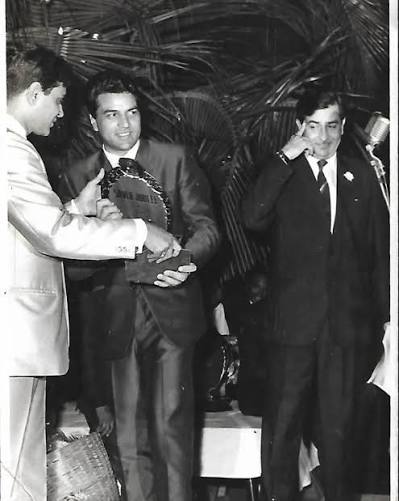
Archival photograph, awards evening
Archival photograph, 1960s

Listening today, Aaye Din Bahaar Ke feels less like a collection of songs and more like a carefully paced emotional journey. It captures an era when melody was king, orchestration was handcrafted, and playback singers treated every lyric as a performance rather than simply a recording.

More than six decades later, the soundtrack remains a compelling reminder of why the collaboration between Laxmikant–Pyarelal, Anand Bakshi, Lata Mangeshkar, and Mohammed Rafi continues to define the golden age of Hindi film music.

Comments

Sign in with Google or email to join in. You can edit a comment for 15 minutes after posting.

Aaye Din Bahaar Ke · 1966
Words by Medhanshu Sharma