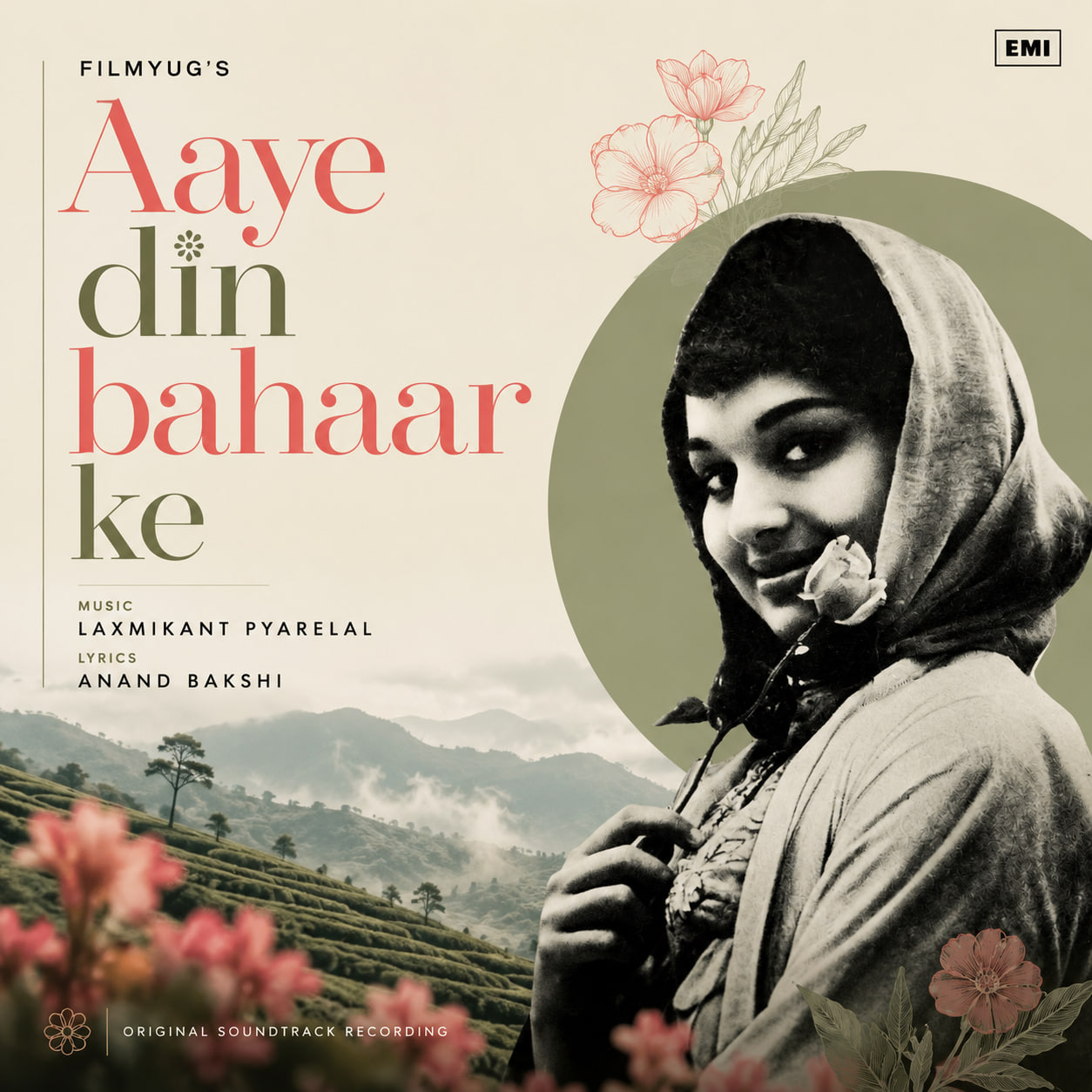
At a time when Hindi film music was overflowing with memorable melodies, Laxmikant–Pyarelal managed to craft an album that balances romance, heartbreak, classical elegance, and dramatic intensity without ever feeling overworked.
The score is built on strong melodic writing rather than ornamentation. Anand Bakshi's lyrics remain conversational yet emotionally layered, allowing every song to serve the story instead of interrupting it. His words rarely chase poetic complexity for its own sake; instead, they speak directly to human longing, disappointment, and hope.
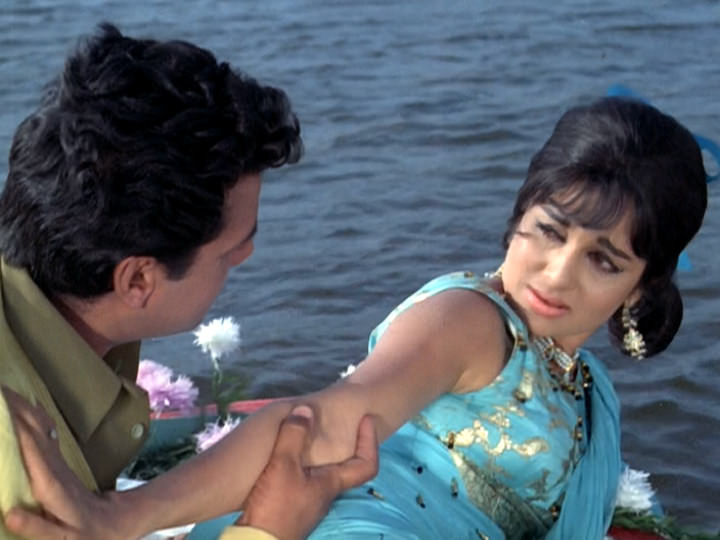
Suno Sajna
The album reaches one of its highest points with "Suno Sajna." Sung by Lata Mangeshkar with remarkable poise, the composition unfolds gracefully in Raag Behag, carrying an effortless blend of classical discipline and cinematic warmth.
A fascinating detail behind the song's creation is that its iconic flute phrase was born when Pandit Hariprasad Chaurasia was casually improvising during a studio session. Laxmikant immediately recognized its beauty and encouraged him to develop it further, giving birth to one of Hindi cinema's most cherished introductions. The result feels spontaneous, yet timeless
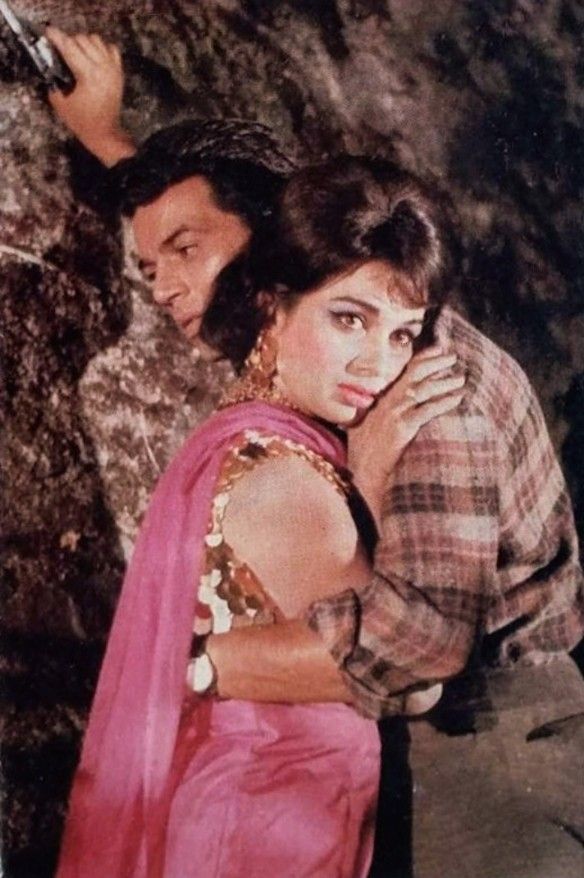
Playful romance, and lightness
Elsewhere, the soundtrack offers moments of playful romance and lightness, with Lata Mangeshkar, Mohammed Rafi, and Asha Bhosle each bringing their own distinct personality to the compositions. The arrangements never rely on excess; instead, every instrument has a purpose, from expressive flute passages to rich violins and measured percussion that support rather than dominate the melody.
Sign in with Google or email to join in. You can edit a comment for 15 minutes after posting.